Cerebral Palsy: How Parents Can Turn Play Into Therapy at Home
Children learn movement through play. These simple ideas help parents practise every day without it feeling like exercise.
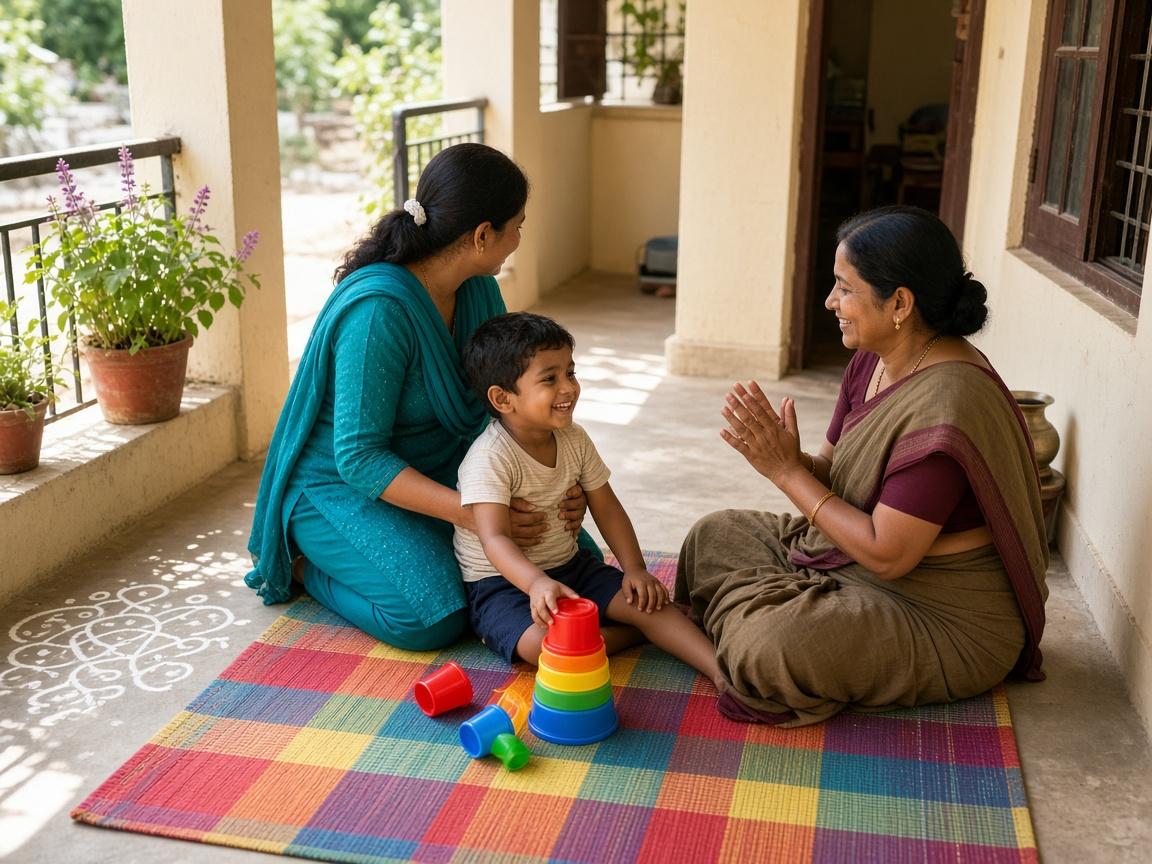
Therapy sessions are important, but a child spends far more hours with their family. When daily routines become practice, progress speeds up.
Sitting and trunk control
- Sit your child astride your leg or a rolled bedsheet while you read or sing. Gently tip side to side so they learn to balance.
- Place toys slightly out of reach, at the side and above, so they turn and reach.
Standing and legs
- Let your child stand at the sofa or a low table to play, with your support at the hips, not the hands.
- Practise sit-to-stand from a small stool while picking up toys from the floor.
Hand use
- Stacking steel cups, putting coins in a box, tearing paper, and squeezing clay or dough
- Encourage use of both hands together, such as holding a bowl while stirring
Positioning through the day
How your child sits, sleeps and is carried all add up. Avoid "W-sitting" (knees bent with feet out to the sides) for long periods. Your physiotherapist will show you good positions for feeding, play and sleep.
Stretching
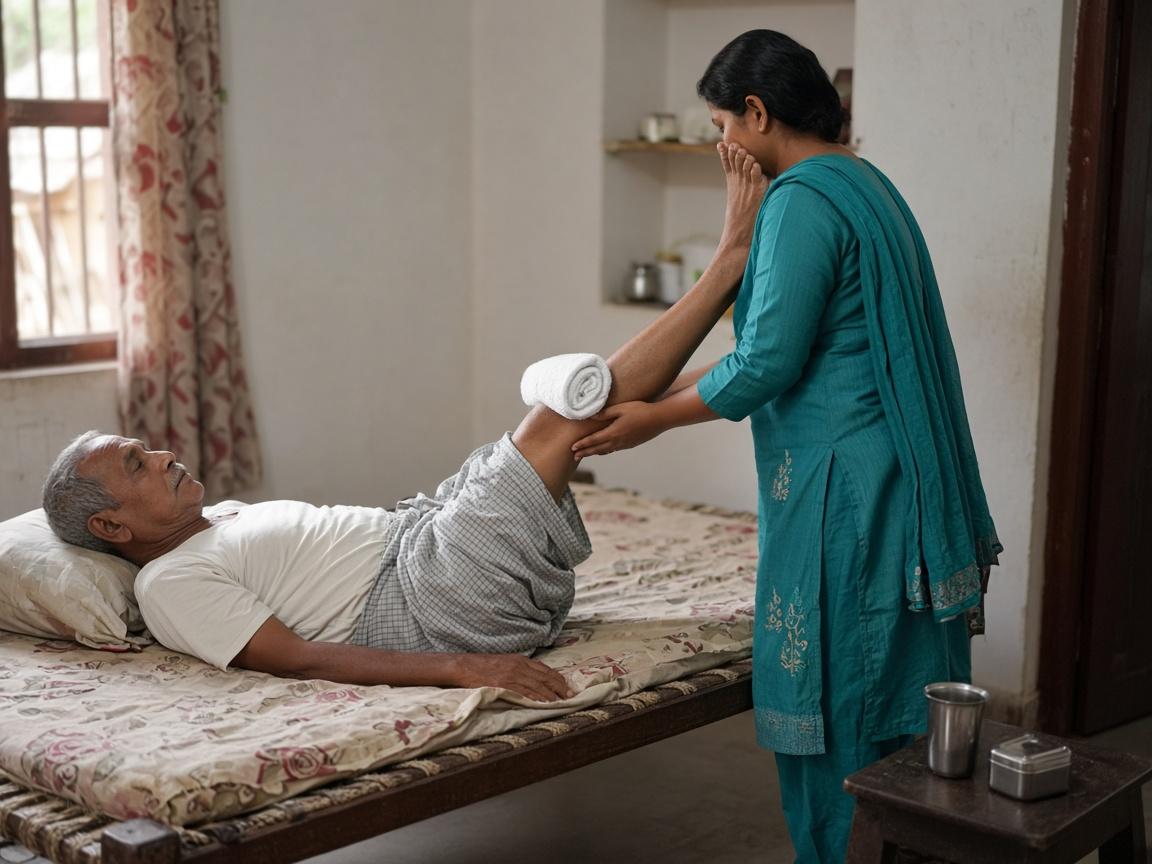
Tight muscles, often the calves, hamstrings and hip muscles, need slow, gentle stretches held for 20–30 seconds. Make it part of oil-massage time or after a bath when muscles are warm.
Look after yourself too
Caring for a child with CP is a marathon. Share the routine with family members, celebrate small wins, and ask for help when you need it.
This article is general information, not a diagnosis. Please consult a physiotherapist or doctor for advice about your condition.