All articles
28 August 20262 min readneck paincervical spondylosis
Cervical Spondylosis and Neck Pain: Daily Habits That Make a Difference
Phone use, TV watching and the wrong pillow all load your neck. Small changes plus the right exercises bring real relief.
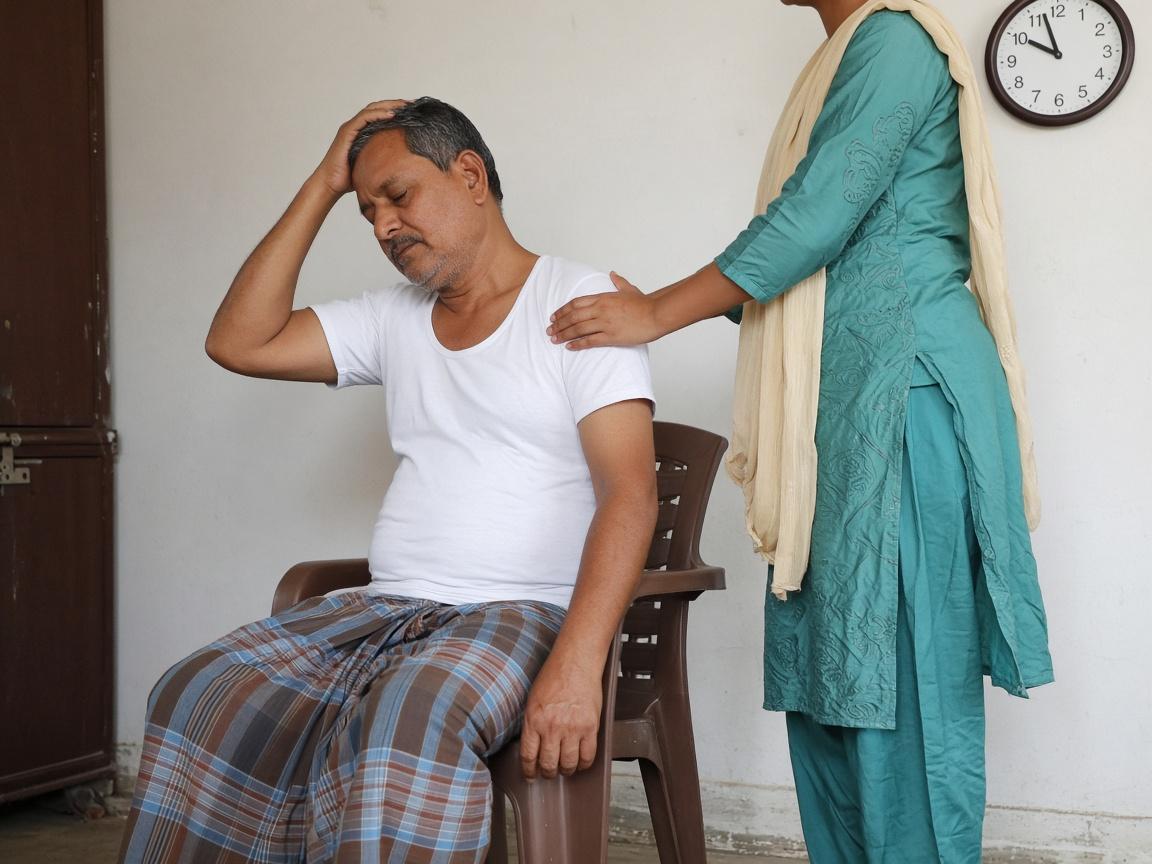
Almost everyone over 40 shows some "spondylosis" on an X-ray. The X-ray does not always explain the pain, but how you use your neck through the day often does.
Habits to change
- Phone at eye level: looking down at your phone for long periods puts several times more load on the neck.
- TV straight ahead: do not watch lying on the side with the head propped on your hand.
- One pillow, the right height: your nose should be in line with the middle of your chest when lying on your side.
- Two-wheeler riding: keep your back straight, take breaks on long rides and wear a well-fitting helmet.
- Break the posture every 30 minutes: roll your shoulders back and look over each shoulder.
Three safe exercises
- Chin tuck: sit tall and gently draw your chin straight back (make a "double chin"). Hold for 5 seconds, 10 times.
- Shoulder blade squeeze: pull your shoulder blades back and down. Hold for 5 seconds, 10 times.
- Side stretch: tilt your ear towards your shoulder and hold for 15 seconds on each side.
Stop if exercises increase arm tingling or dizziness.
When to see a doctor urgently
- Weakness in the arms or hands, or dropping things
- Difficulty walking or loss of balance
- Neck pain after a fall or accident
- Neck pain with fever or unexplained weight loss
How physiotherapy helps
Physiotherapy includes mobilisation, traction where suitable, pain relief, strengthening of the deep neck muscles and, importantly, a look at how you sit and sleep in your own home.
This article is general information, not a diagnosis. Please consult a physiotherapist or doctor for advice about your condition.