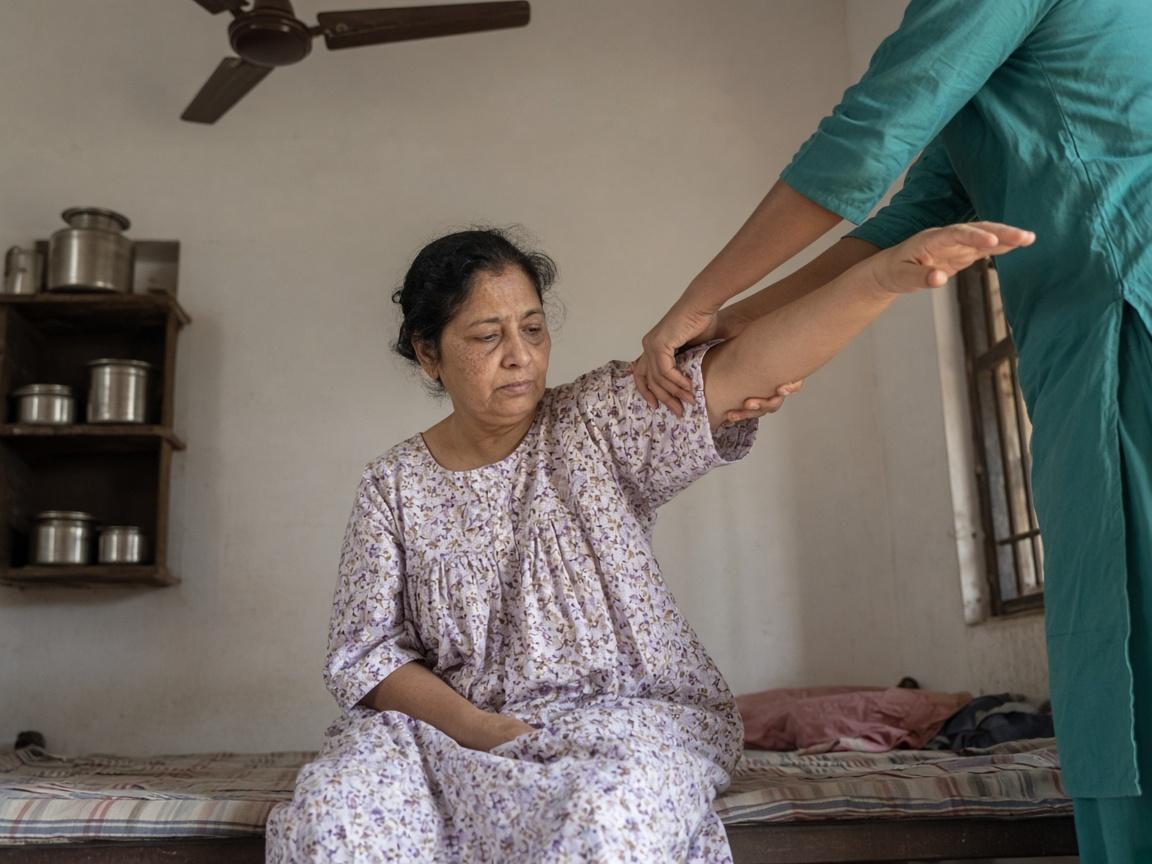
Knee Arthritis: Why Strong Muscles Are the Best Knee Support
Knee pain while climbing steps or getting up from the floor? Strengthening can reduce pain and delay surgery. Here is how to start.
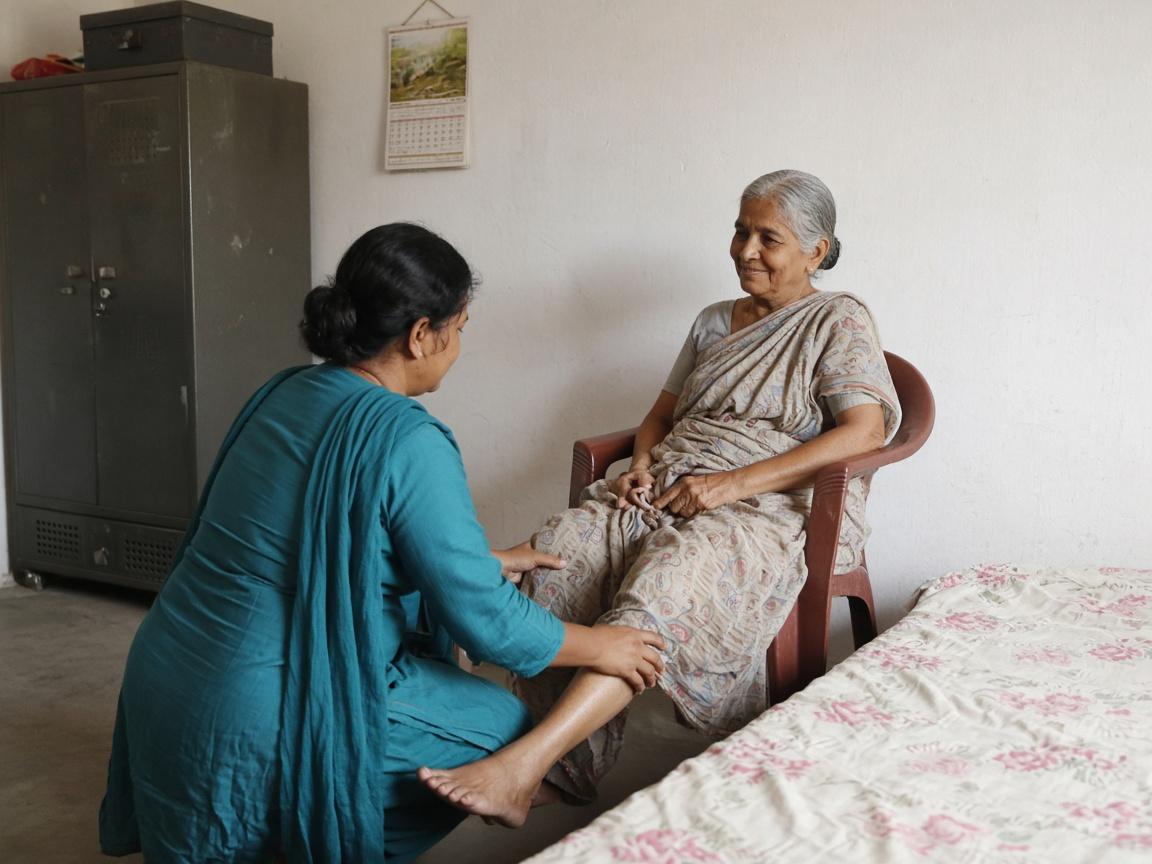
"The doctor said there is no cartilage left, so what can exercise do?" This is the question I hear most. The answer: a lot. The thigh muscles act as shock absorbers. When they are strong, the joint takes less load and hurts less.
Five exercises to start with
Do these once or twice a day. Mild ache that settles within a couple of hours is fine.
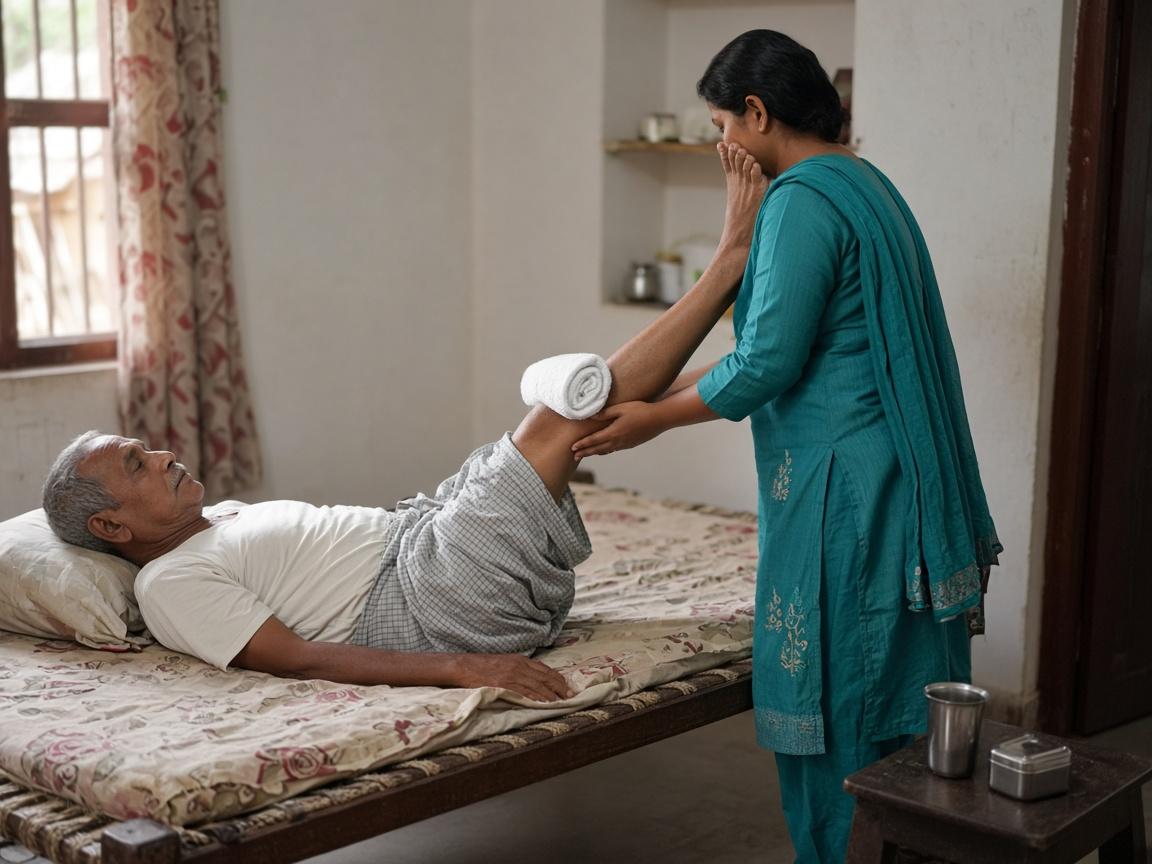
- Quadriceps press: sit with your legs straight, place a rolled towel under the knee and press down. Hold for 5 seconds, 10 times.
- Straight leg raise: lying down, tighten your thigh and lift your leg a hand's height, 10 times.
- Seated knee extension: sit on a chair and straighten your knee fully. Hold for 5 seconds, 10 times.
- Sit to stand: get up from a chair slowly, 10 times. Use your hands if needed at first.
- Side-lying leg lift: strengthens the hip, which also protects the knee.
Protect the joint in daily life
- Use a chair or stool instead of squatting on the floor for long periods
- A Western toilet or a commode chair reduces knee strain
- Wear cushioned footwear
- A walking stick in the hand opposite to the painful knee reduces load
- Every kilogram of weight lost reduces knee load several times over
Winter stiffness
Stiffness often increases in cold mornings. Warm up with gentle movement in bed before standing, use a warm water bag for 10–15 minutes, and do not stop walking just because it is cold.
When to consider surgery
If pain stops you from sleeping or walking even after a good trial of exercise, talk to your orthopaedic surgeon. If you do have surgery, strong muscles beforehand make recovery much faster.
This article is general information, not a diagnosis. Please consult a physiotherapist or doctor for advice about your condition.