After the Plaster Comes Off: Physiotherapy After a Fracture
The bone has healed but the wrist, ankle or knee is stiff and weak. That is normal, and here is how to get it moving again.
Six weeks in a cast keeps the bone still so it can heal. But the joints and muscles around it pay the price: stiffness, weakness and sometimes swelling. Physiotherapy bridges the gap between "the bone is healed" and "I can use it normally".
Common fractures we treat at home
- Wrist (often after a fall on an outstretched hand)
- Ankle
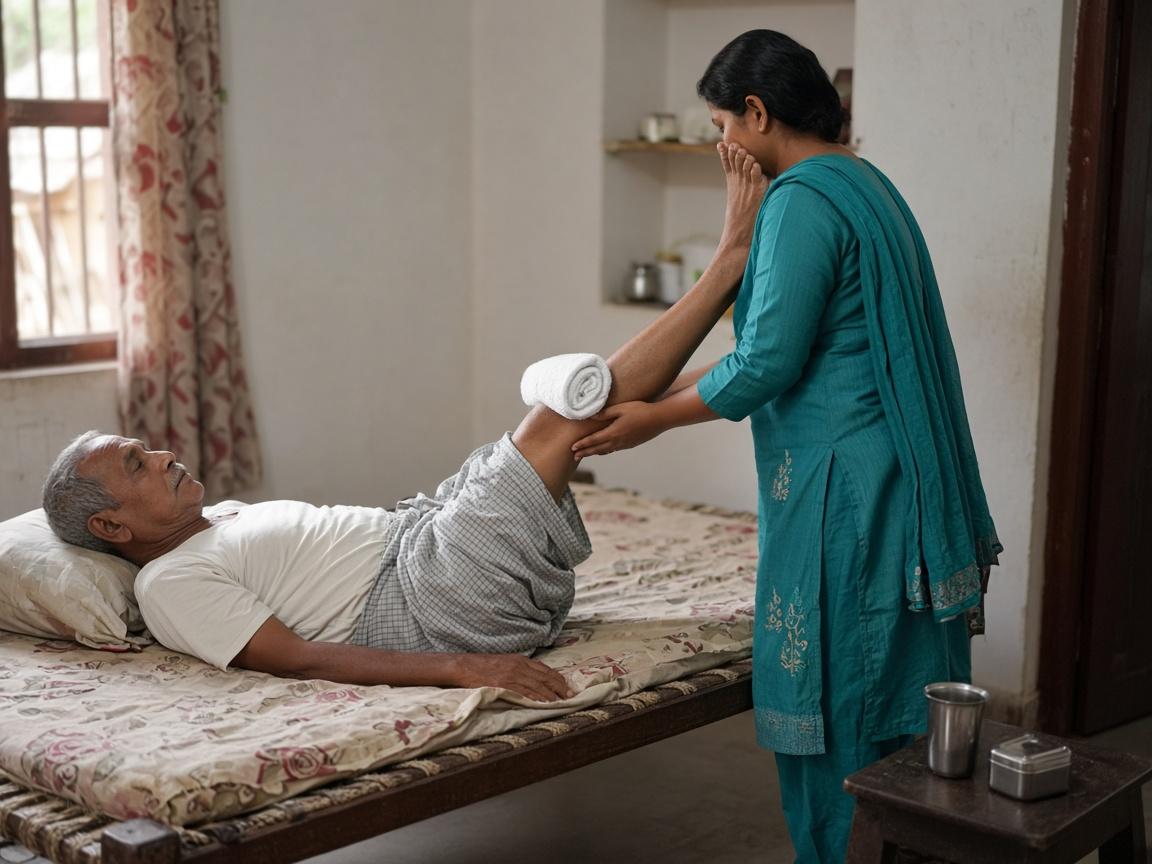
- Around the knee and leg
- Hip fractures in elders, after surgery
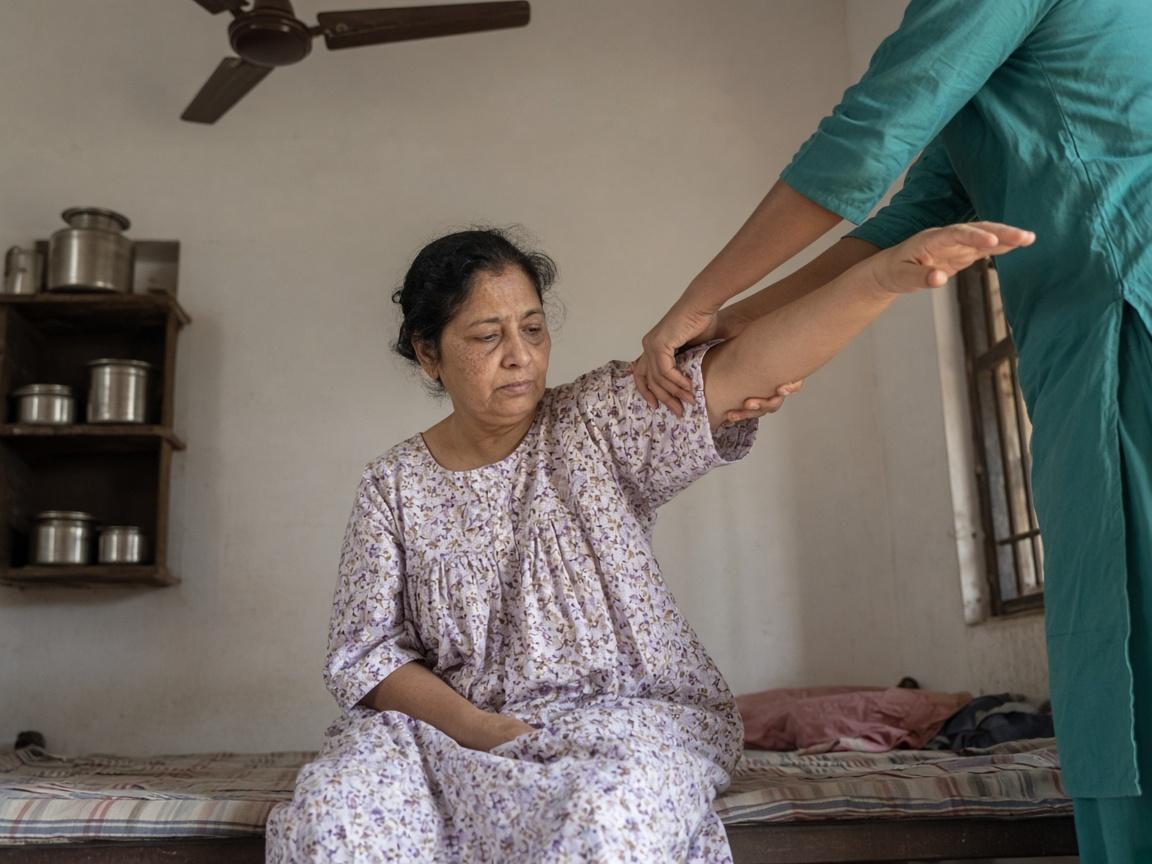
- Shoulder (upper arm) fractures
What rehab involves
- Reducing swelling: elevation, gentle movement, and compression if advised.
- Restoring movement: graded exercises and hands-on mobilisation of the stiff joint.
- Rebuilding strength: resistance bands, light weights and functional tasks.
- Returning to function: grip and household tasks for the wrist, and walking and steps for the leg.
Follow your surgeon's weight-bearing advice
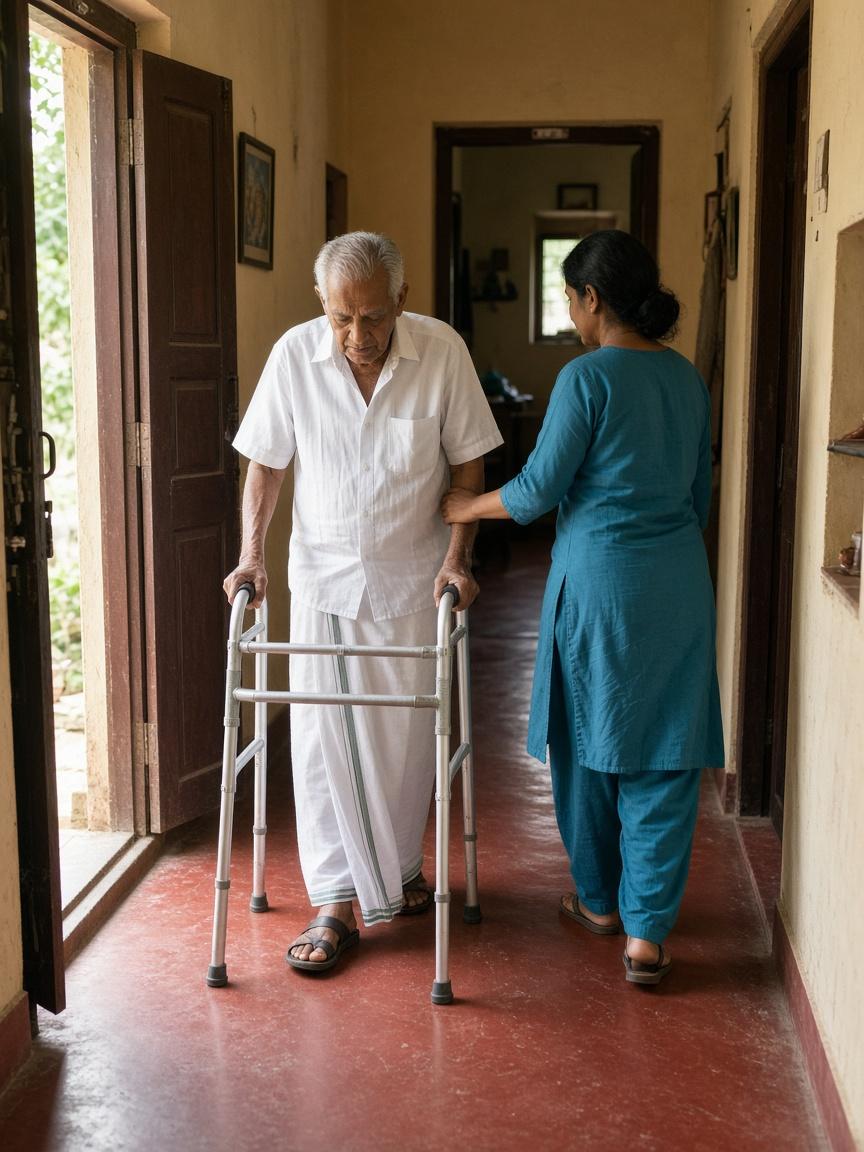
After leg fractures your surgeon will say how much weight you can put on the leg: none, partial or full. Your physiotherapist teaches walking with a walker or crutches exactly to that instruction, on your own floors and steps.
Hip fractures in the elderly
These need special care: early sitting out of bed, breathing exercises, pressure-area care, and a gradual walking programme. Fall prevention at home is part of the plan so it does not happen again.
How long?
Most people need 4–12 weeks of rehab after cast removal, depending on the fracture and their age. Stiffness usually improves steadily with consistent exercise.
This article is general information, not a diagnosis. Please consult a physiotherapist or doctor for advice about your condition.